Reading | 2 min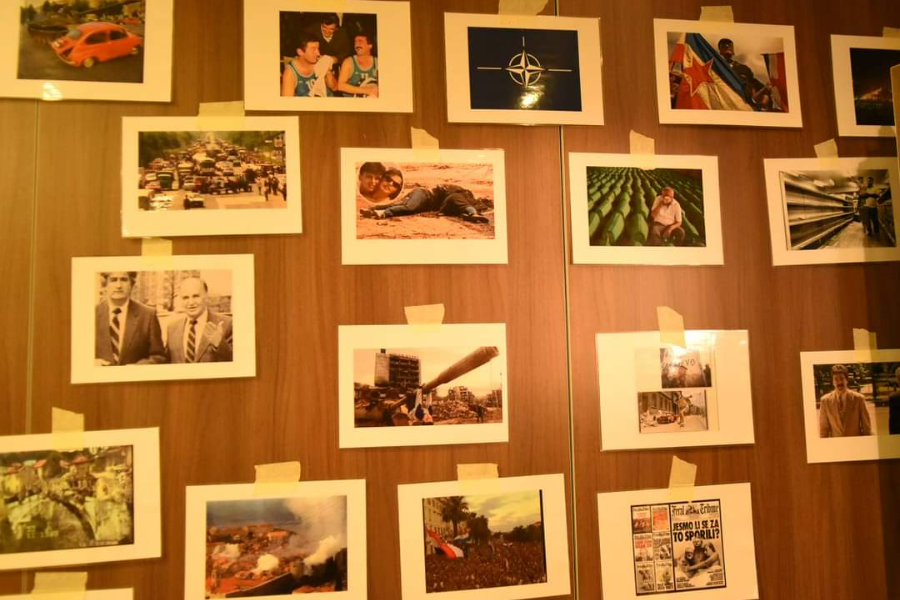

The past cannot be changed, but the way we view it can. We often try to escape from the past, to forget it, but then small triggers bring us back to it with flashbacks. This is exactly what happened to me last week. You yourself are aware that the topic of the war in Ukraine was something that marked the last EDYN conference. The solidarity of the peoples of Europe, the courage of the Ukrainian youth, faith in the victory of justice – all this still echoes in my head.
At the same time, a young person from Bosnia and Herzegovina, a young person from a post-conflict society has something else in mind – I hope they will not repeat our mistakes. Although I have more than 10 years of experience working with civil society organizations and local communities to undertake research and develop program models and advocacy strategies that promote human rights, reconciliation, and social justice – I cannot say that I am satisfied with the results we have achieved.
Post-conflict recovery does not happen in the immediate aftermath of the hot conflict, indeed it is rare that the signing of the peace accord or the ending of formal hostilities automatically brings a return to normality in these fractured societies. It Is more likely that the scared societies face a period in the twilight between war and peace, a time when the World turns its attention to new problems and seemingly more pressing matters, leaving the country to struggle toward peace and a new social order.
At that moment, the power of youth and cooperation should enter the scene. At that moment, the Balkan peoples should extend their hand to the east and try to help their friends, point out the mistakes we have made and help in the processes of dealing with the past and reconciliation.
It is necessary to seek to understand how societies come to terms with difficult and divisive pasts, how past conflicts are reproduced in present generations, and how different creative, literary, and artistic modes of engagement with the past may help to envisage alternative futures.
We need to call on young people to use their critical judgment when reading or watching the news that may misrepresent, vilify or incite against one side or the other. Instead, young people should take on the role of leaders and create a direct dialogue to promote coexistence through face-to-face meetings and through social networks. Young people need to meet on a personal level for a direct dialogue, they can break down the walls of hate and turn them into a bridge of hope. There are clear steps that can be made to improve the situation and renew a little hope, but these steps are not being made by those that have the power to do so.